
Our Beef with Rest
Take #1: The Real Villain of Burnout

When We Go Fast…
Time goes Faster. But sometimes, our bodies can’t keep up.
And boy, did mine decide to throw in the towel at the worst possible moment.
I vividly remember a time in a previous role when I was essentially left on my own, without a manager or even team members to lean on. I was juggling multiple teams, and my manager was the CEO of the company—intimidating, to say the least, and hardly ever available for a face-to-face conversation.
This all came to a head a night before the launch of a product I was leading.
Spoiler alert: It didn't end well.
My body waved the white flag. Game over, folks.
We're talking uncontrollable shaking, unable to keep food down, and anxiety levels through the roof.
With no other option (and believe me, I looked for one), I made the call I'd been avoiding like the plague. I called my CEO, broke down crying, and admitted that I couldn't continue and needed to take a mental health leave.
And instead of feeling relieved, guilt hit me like a ton of bricks.
There I was, lying in bed, wondering if I'd just flushed my career down the toilet. Talk about a plot twist, right?
But what I’ve come to realize now is that this cycle of burnout wasn't just personal failure but a deeper symptom from these -
Our society has masterfully engineered a fear-based cycle, cleverly transforming rest into just another tool for productivity. This cycle is fueled by a pervasive narrative that any feeling of discomfort or emptiness must be immediately addressed with ready-made solutions—ranging from non-stop work to endless consumerism and digital engagement.
But even more importantly,
We, as individuals, perpetuate this cycle within our relationship to others and within ourself. We have become uncomfortable with being left alone with our thoughts, without distractions. Many of us experience a profound sense of emptiness and fear when it comes to stillness. Not from the quiet itself, but rather what the quiet reveals about our internal state
In moments meant for rest or downtime, instead of confronting and understanding the roots of our discomfort, we engage in avoidance—using distractions and escapism to cope, just as I did during my mental health leave.
It took a complete breakdown – my body and mind finally rebelling against the relentless pace – for me to understand that this approach wasn't just unsustainable; it was robbing me of the very life I was working so hard to build.
So, buckle up, buttercup. We're about to dive deep into this mess and figure out how to pump the brakes before our bodies do it for us.
Trust me, their timing is never convenient.
What’s the Rush?
You're at work and there's a meditation class held at in the break room, but it’s squeezed between two important meetings. Or maybe there's a yoga class, but all you can think about is your long to-do list. Sound familiar?
These practices, stripped of their profound essence, have been repackaged as quick fixes for the surface-level symptoms of our collective burnout.
The irony is palpable. These well-intentioned strategies often undermine the very wellness they aim to promote. Meditation sessions and encouraged breaks, while outwardly supportive, frequently conflict with work demands. Suddenly, rest isn't about rejuvenation – it's about optimizing your productivity. Talk about missing the point.
We've created a culture where "wellness" is just another box to tick.
Did you meditate today? Check.
Did you do your office yoga? Check.
Are you still stressed and overworked? Check and check.
It's like we're turning self-care into a competitive sport, and spoiler alert: nobody's winning.
It's time we decoupled these wellness practices from productivity altogether. Meditation isn't about making you a more efficient worker; it's about finding inner peace and connection. Yoga isn't about increasing your stamina for long work hours; it's about harmonizing your mind and body. We need to reclaim these practices for what they truly are: tools for healing and self-discovery.
Moreover, we need to challenge the deeply ingrained belief that our worth is tied to our productivity. A productive team doesn't mean one that works around the clock. It's time we examined the work conditions and beliefs that make us think pushing ourselves and our teammates to do more is always better. Spoiler alert: it's not.
This approach not only defeats the purpose of these practices but can actually make us feel worse. When we don't achieve that promised state of heightened productivity, we're left feeling like we've failed at relaxing.
By focusing on these individual coping mechanisms, companies can conveniently sidestep addressing deeper issues like unrealistic workloads or toxic work cultures. It's like putting a band-aid on a broken arm and calling it healthcare. We need to shift the responsibility back to organizations to create healthier work environments, rather than expecting employees to simply adapt to unsustainable conditions.
It's high time we changed how we think about rest. Rest isn't a productivity hack – it's a fundamental human need. We need to stop seeing it as a means to an end and start valuing it for its own sake.
We need to challenge the idea that being busy 24/7 equals success. Taking time for real rest isn't weak – it's what keeps us sane, creative, and ironically, more effective in the long run.
True productivity and well-being come from a balance that includes real, uninterrupted rest. Only then can we create workplaces that help people thrive, instead of just squeezing more work out of them at the cost of their well-being.
But the thing is…even when we're given the chance to rest, many of us find ourselves running from something else entirely - our own thoughts.
Turns out that sometimes the scariest thing isn't a packed schedule, but an empty one. And that, my friends, is a whole other can of worms we need to open.
No Rest for the Restless
This aversion to quiet reflection isn't about the silence itself, but rather what that silence reveals about our inner state. In moments of stillness, we're suddenly confronted with the unfiltered version of ourselves – all our thoughts, emotions, and unresolved internal conflicts laid bare. It's like looking into a mirror after years of avoiding our reflection, and the view can be unsettling.
This discomfort manifests in our tendency to fill every moment with activity, whether it's constant digital engagement, endless work, or mindless consumption. We're like hamsters on a wheel, running from the very thing we need most - genuine rest and introspection.
These behaviors serve as mechanisms of avoidance, allowing us to escape the discomfort of facing ourselves. However, this pattern of avoidance prevents us from addressing the root causes of our stress and anxiety, hindering genuine emotional and mental recovery.
To overcome this fear, we must cultivate a new relationship with stillness. This involves recognizing that moments of quiet reflection are not threats to our productivity or self-worth, but opportunities for growth, self-discovery, and genuine rest. By embracing stillness, we open ourselves to deeper self-understanding and the potential for more authentic connections with others.
Developing this comfort with stillness requires practice and patience. It's like learning to swim - at first, the silence might feel like we're drowning in our own thoughts, but with practice, we learn to float and even enjoy the experience.
It involves learning to sit with discomfort, acknowledging our thoughts and emotions without judgment, and recognizing the value of introspection. As we become more adept at navigating our inner landscape, we may find that the stillness we once feared becomes a source of strength, clarity, and rejuvenation.
So, it's time to face the music of our inner silence. After all, in the grand symphony of life, the rests are just as important as the notes.
And speaking of unexpected pauses, let's talk about the biggest one we've all experienced recently - the global pandemic.
A Forced Wake-Up Call
The pandemic was like a giant "pause" button for the whole world. It forced us to stop our usual routines and face ourselves in ways we never had before. Without our normal distractions, we had to look at our lives more closely than ever.
As our normal lives came to a halt, many of us found ourselves face-to-face with uncomfortable truths. Questions we'd been dodging came knocking:
Are we happy in our relationships?
Do our jobs fulfill us?
What do we really want from life?
Without our usual escape routes, we were forced to sit with these thoughts, and like awkward guests at a dinner party, we couldn't leave.
This forced introspection led to a collective "aha" moment. We started questioning the very fabric of our lives and the systems running the show. It became crystal clear that our relationship with work, rest, and personal time needed a major overhaul.
The pandemic held up a mirror to our work-life balance, and let's just say we didn't like what we saw.
Moreover, this collective experience exposed a toxic pill we'd all swallowed: the idea that being constantly busy makes us worthy. With our usual productivity markers stripped away, we had to reconsider what truly makes a life well-lived. Is it really about how many emails we send or meetings we attend?
The big reveal wasn't just that our workplaces were failing us. It was that we, as individuals and as a society, had bought into a system valuing output over well-being. This realization sparked conversations about the nature of work, the importance of rest, and the need for genuine human connection and self-reflection.
As we emerge from this period of global upheaval, we carry with us the insights gained during this forced introspection. The challenge now lies in integrating these revelations into our post-pandemic lives, resisting the pull to return to old patterns, and instead forging new paths that honor our need for true rest, meaningful connection, and authentic self-expression.
In the end, the pandemic, for all its hardships, offered us a rare gift - a chance to step off the hamster wheel and reassess our direction. Now, it's up to us to take these lessons and create a future that's not just productive, but truly fulfilling. After all, isn't it about time we put the "life" back in work-life balance?
Slow Your Roll, Sis
Redefining rest means recognizing it as more than just a battery recharge for more work. It's about honoring the wisdom our bodies and minds offer when we allow ourselves the space to truly listen. This new way of resting isn't about checking out of life, but checking in with ourselves in a deeper way.
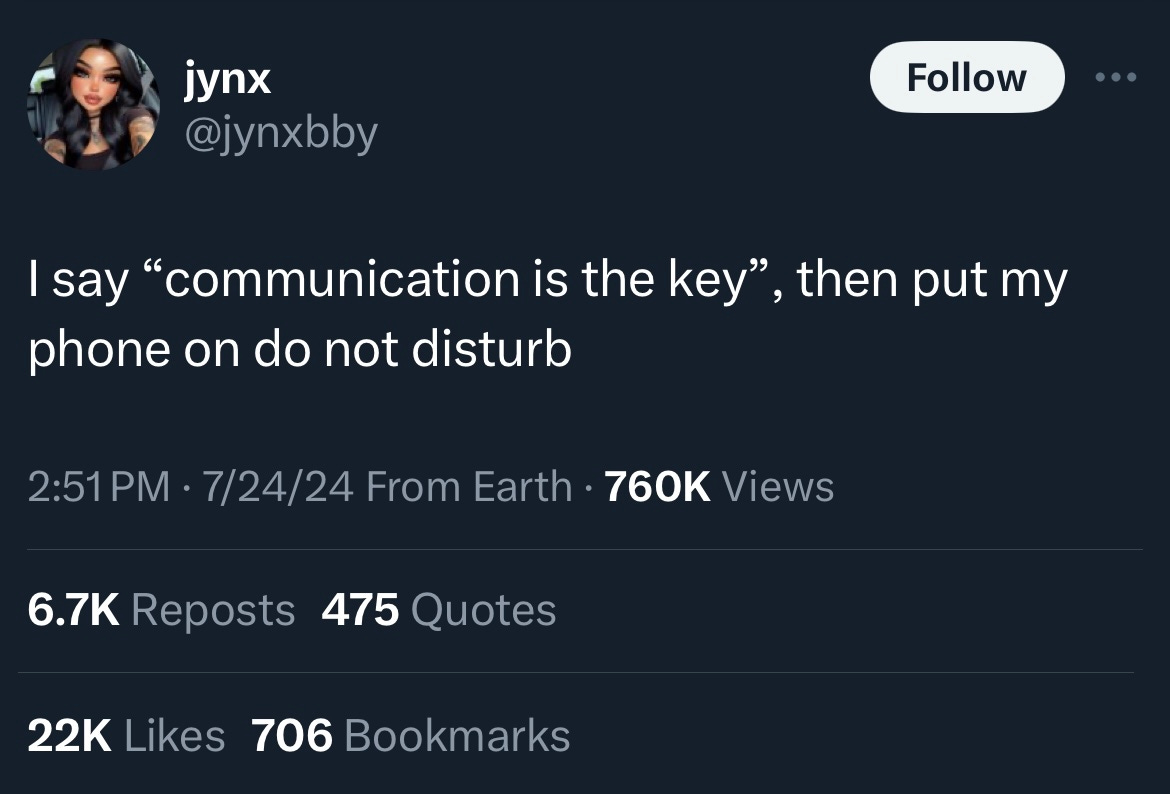
In the workplace, this shift could be a game-changer. Imagine managers who respect your "Do Not Disturb" status as much as your "In a Meeting" one.
For team members, it might mean actually logging off when the workday ends, instead of being constantly "on call." It's about setting boundaries that protect your personal time and having the confidence to stick to them, even when the pressure's on.
Creating space for genuine rest and introspection allows us to break free from the chains of a fear-driven society. It enables us to shift our focus from constant external validation to internal understanding and growth. This inner sanctuary we cultivate becomes a source of strength, resilience, and authenticity that informs all aspects of our lives.
We need to stop treating rest like it's a pit stop in the race of life and start seeing it for what it really is: a vital practice for connecting deeply with ourselves. It's not about recharging so we can work more; it's about honoring our needs and listening to the wisdom our bodies offer.
Imagine a world where taking a nap isn't followed by guilt, where "doing nothing" is recognized as doing something incredibly important. Wild, right?
This shift isn't just personal; it's revolutionary. It's about changing the way society values human existence beyond our economic output. Because let's face it, we're more than walking resumes and productivity machines.
Better Late than Never?
As I reflect on this journey of redefining rest and challenging our relationship with productivity, I can't help but think back to that version of myself who pushed through late nights, ignored the warning signs, and finally crashed. To her, and to all of us caught in this cycle, I want to say: It's okay. We've been doing the best we could with the understanding we had.
The fear of non-action, the guilt over taking breaks, the overwhelming pressure to always be "on" – these weren't personal failings. They were side effects of a larger story we've all been part of, a narrative that's been running in the background of our lives for far too long.
And now, looking back, I know that version of me would be incredibly proud of who I've become today. She would be amazed at the strength found in vulnerability, the productivity discovered in rest, and the richness of life experienced when not constantly racing against time. She would see that the breakdown was not an end, but a beginning – the start of a profound transformation.
To anyone reading this who recognizes themselves in my story, I encourage you to embark on your own journey of redefining rest and slowing down. It may feel daunting at first, even counterintuitive in a world that seems to reward constant motion. But I urge you to trust yourself, to have faith that life will work for you, not against you, when you honor your need for true rest and reflection.
Remember, slowing down isn't about giving up or falling behind. It's about moving forward with greater intention, awareness, and fulfillment. It's about trusting that when you take care of yourself, you're better equipped to care for others and contribute meaningfully to the world around you.
You have within you everything you need to make this shift. Your worth isn't determined by your output, and your value doesn't diminish when you rest. By slowing down and trusting in your own journey, you open yourself up to a world of possibilities that are often missed in the rush.
So take that deep breath. Give yourself permission to slow down. Trust in the process of rest and renewal. Have faith that as you respect your need for true rest, life will unfold in beautiful and unexpected ways. You're not just redefining rest; you're reclaiming your life, one mindful moment at a time.
Remember, you're not just a cog in the machine. You're a whole, complex, beautifully messy human being. And that's worth celebrating—preferably during a well-deserved rest.
Now, if you'll excuse me, I have a date with my bed and absolutely zero guilt about it.
‘till next time, <3
Thank you _fowjama for this week’s blog inspo & topic <3
Now on to my favorite part!
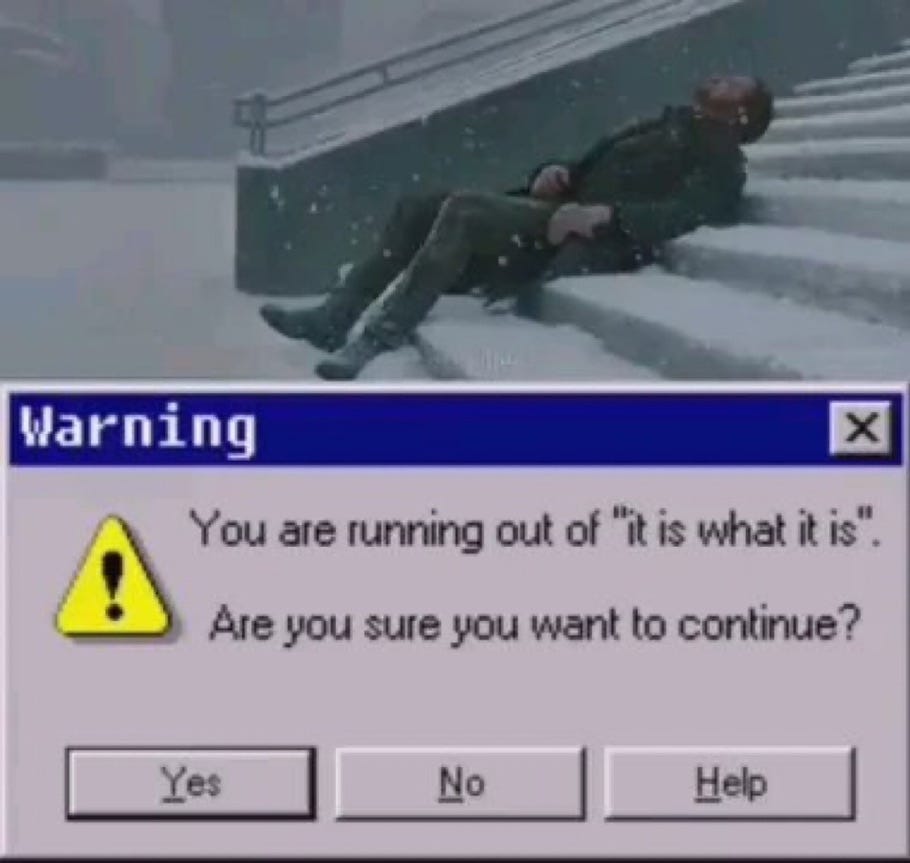
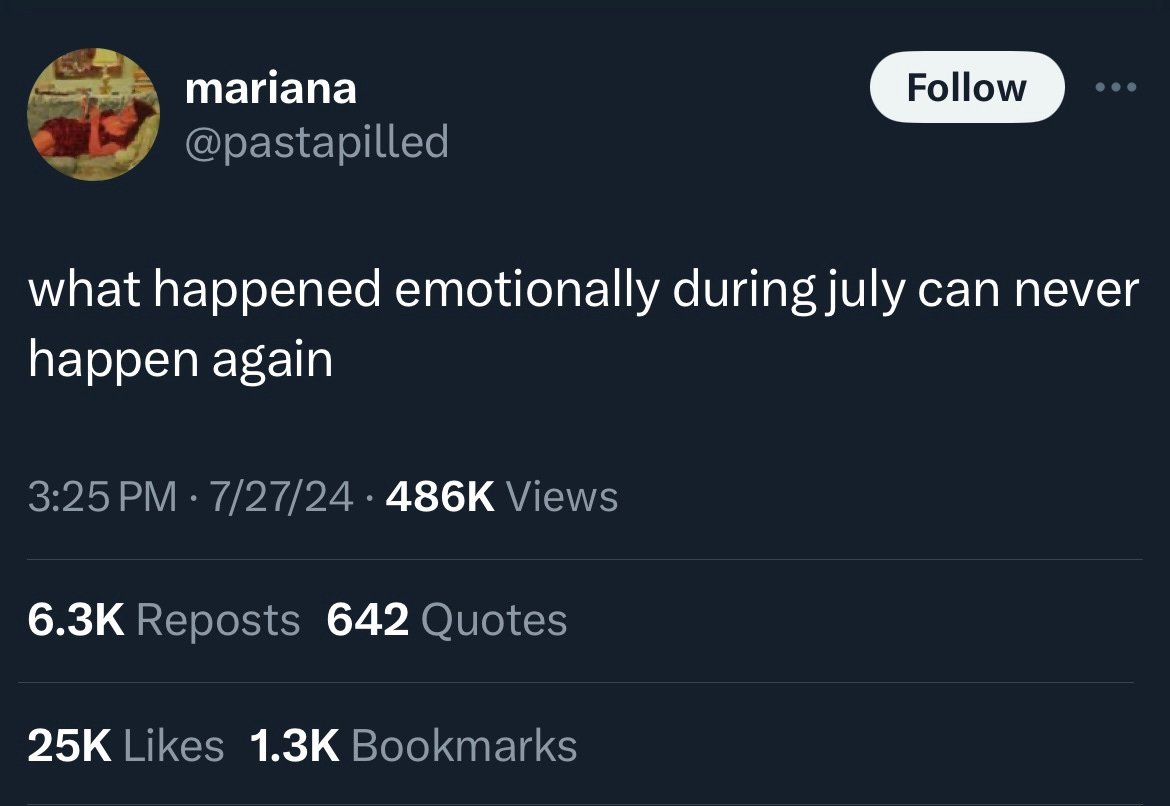
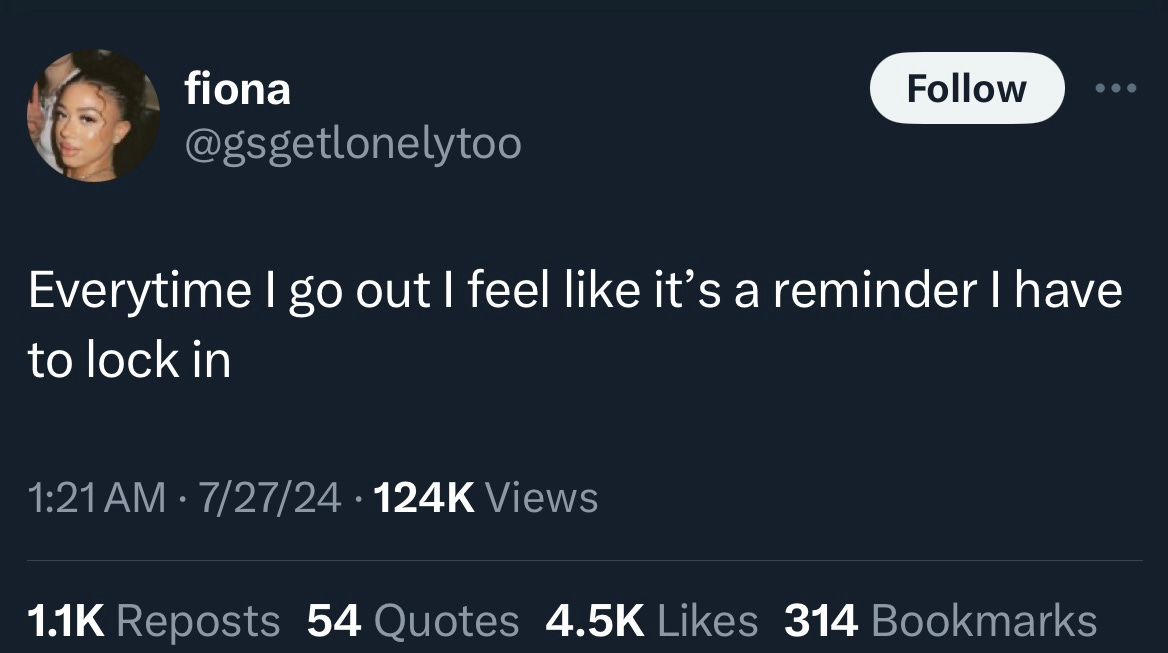
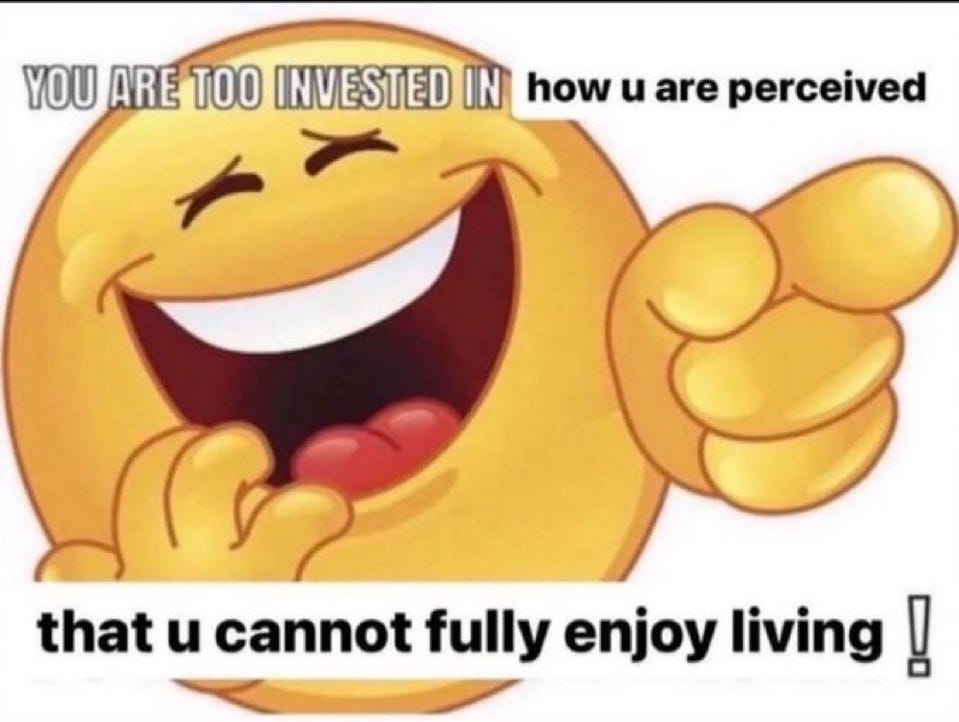
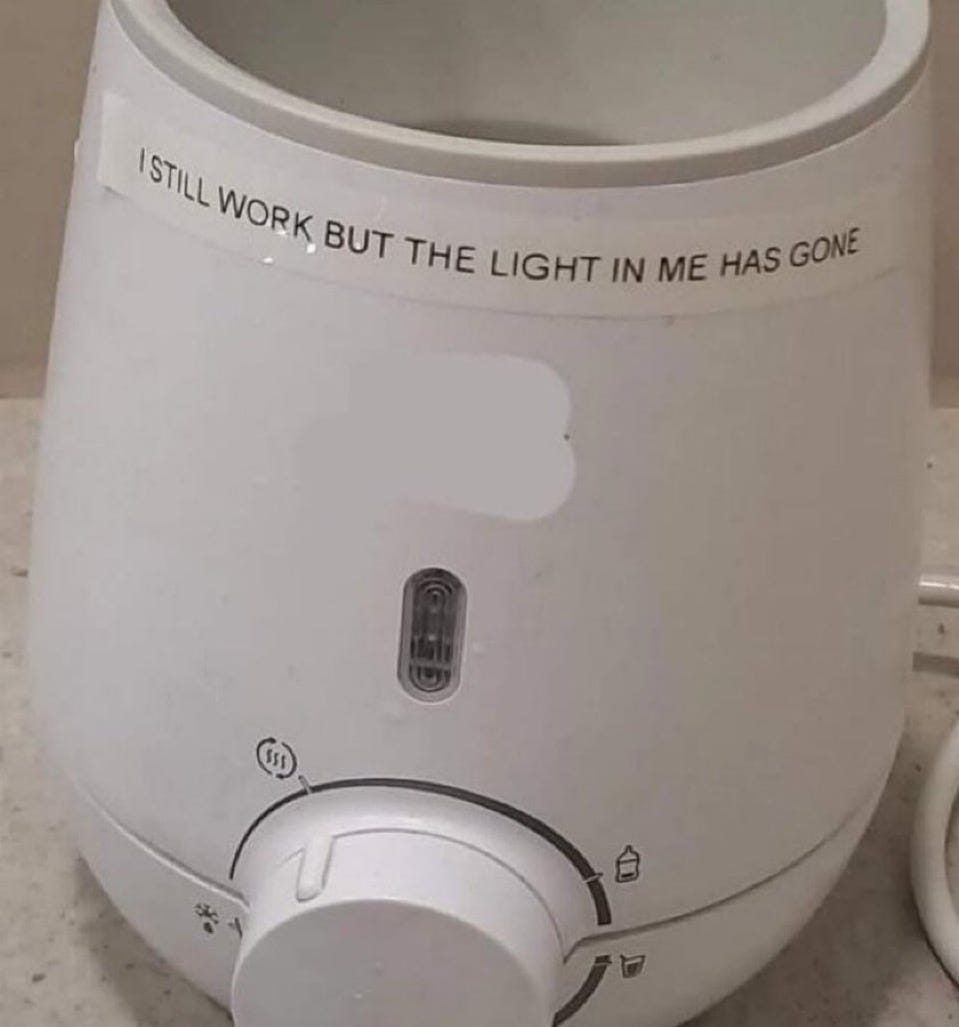
Meme of the Day


Song of the Day
Pure euphoria in a song and a fitting title for this post ;)